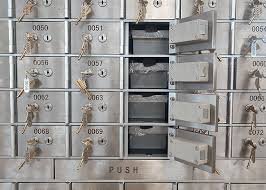
The private vault industry is growing rapidly. Local bank branches are shutting down. People still need a physical place to store their valuables. This creates a massive opportunity for independent facility operators.
However, building a secure strongroom is a complex engineering task. You cannot just rent a commercial space, buy metal boxes, and open your doors. You are building a fortress.
Many new operators fail during the procurement phase. They look for cheap used equipment. They try to cut corners on installation. This always leads to disaster. If a lock jams, you lose a customer. If a unit tips over, you face a massive lawsuit.
To succeed, you must treat your hardware as the foundation of your business. You need a strict, methodical approach to sourcing, buying, and installing your vault equipment. Here is the step-by-step breakdown of how to build a commercial-grade facility.
1. Calculate Your Structural Floor Load
Do not buy anything until you know what your floor can handle. Metal is incredibly heavy. When you load those metal compartments with gold, silver, and heavy documents, the weight multiplies.
I once consulted for an operator in Florida who ignored this step. He signed a lease for a second-floor commercial space. He ordered four tons of metal lockers. When the delivery trucks arrived, the structural engineer halted the project. The building’s floor joists could not support the dead weight. The operator lost his deposit and had to relocate.
You must follow these strict instructions before ordering:
- Hire a licensed structural engineer to inspect your facility.
- Provide the engineer with the empty weight of the lockers you plan to buy.
- Calculate the maximum potential loaded weight. Assume every box will be filled with lead.
- Verify that the concrete slab or load-bearing joists exceed this maximum weight requirement.
- Reinforce the floor with steel plates if the engineer deems the existing structure insufficient.
2. Source Factory-Direct Commercial Hardware
Avoid third-party resellers. When you search for safe deposit boxes for sale online, you will find dozens of liquidators selling old bank equipment. Buying used hardware is a massive mistake.
Used boxes often come with worn-out internal springs. They lack replacement keys. If a client loses a key, you will not be able to order a replacement cylinder from the original manufacturer because the company likely went out of business decades ago. You will have to drill the box and leave it broken permanently.
You must buy brand new, factory-direct equipment. This ensures you get a valid warranty and access to replacement parts. It also allows you to customize the exact dimensions and finishes to match your brand.
Follow these sourcing steps:
- Contact a manufacturer that specializes in commercial banking equipment.
- Request technical specification sheets for their locker units.
- Verify that the outer doors use a minimum of 9-millimeter aluminum alloy.
- Check that the inner containers are made of at least 0.8-millimeter stainless steel.
- Demand proof of anti-corrosion treatments, such as galvanized steel plating for the main body.
3. Specify the Locking Mechanism
The lock is the heart of your operation. Never use single-key systems. Never use electronic keypad locks for individual boxes inside the vault. Electronics fail. Batteries die. Wires corrode.
You must install safe deposit boxes for sale. Mechanical locks provide absolute physical security. They require two different keys to operate.
This creates a mandatory system of dual control. Your staff holds the guard key. The client holds the renter key. A rogue employee cannot open a box alone. A client cannot enter the vault and secretly open a box without staff supervision.
Instruct your manufacturer to include these specific locking features:
- Specify a dual-nose mechanical lock for every single door.
- Require a brass guard keyhole that matches your master facility key.
- Require a distinct renter keyhole with a unique key cut for every single unit.
- Ensure the lock design features an interchangeable core.
- Order at least ten spare blank cylinders to keep on hand for immediate replacement.
4. Design the Physical Layout
You want to maximize your rentable space without creating a claustrophobic environment. If your aisles are too narrow, clients will feel uncomfortable. If they are too wide, you are wasting profitable square footage.
Create a floor plan that prioritizes traffic flow and privacy. Clients need room to comfortably open their boxes. They need space to pull out the heavy inner container without hitting the person standing behind them.
Follow these layout instructions:
- Map the exact dimensions of your strongroom on a digital floor plan.
- Mark the swing radius of the main heavy vault door. Do not place lockers behind the vault door.
- Design your locker blocks in straight, unbroken lines along the walls.
- Leave a minimum of 48 inches of walking space between parallel rows of lockers.
- Create a dedicated, completely private viewing room just outside the main vault area.
5. Execute the Installation Safely
Modular lockers arrive in large, heavy blocks. They are pre-assembled at the factory. This saves you weeks of labor, but it requires careful handling during delivery.
I witnessed an installation crew in Chicago try to slide a 600-pound module across a finished floor. They gouged the expensive concrete and nearly tipped the unit onto a worker. You need professional riggers to move this equipment safely.
Once the modules are inside the vault, the real work begins. The units must be perfectly leveled. If they sit on an uneven floor, the metal frames will twist slightly. Over time, this twisting will cause the tight-fitting doors to scrape and eventually jam.
Follow these installation instructions exactly:
- Move the modules into the vault using a heavy-duty hydraulic pallet jack.
- Place the bottom row of modules onto the floor in their exact planned positions.
- Use a laser level to check the alignment across the entire row.
- Insert heavy-duty steel leveling shims under the corners until the entire block is perfectly plumb.
- Bolt the adjacent modules together using the factory-drilled connecting bolts.
- Anchor the entire bottom row directly into the concrete floor using heavy wedge anchors.
- Stack the next layer of modules and bolt them securely to the bottom row.
6. Establish the Numbering System
Navigation inside the vault must be intuitive. If a client is assigned box 402, they should be able to find it instantly. A confusing numbering system frustrates clients and slows down your daily operations.
Never use stickers or cheap paint for your numbering. These will wear off after a few years of constant use. The numbers must be permanently embedded into the metal hardware.
Execute your numbering strategy with these steps:
- Create a logical grid system for your facility layout.
- Assign a specific block letter to each wall or aisle.
- Number the boxes sequentially from top to bottom, left to right.
- Instruct the manufacturer to provide laser-engraved number plates.
- Ensure the plates are riveted directly onto the aluminum door face.
7. Plan for Emergency Lockouts
Lockouts are inevitable. Clients lose keys. They pass away without leaving keys for their heirs. Court orders mandate the opening of specific boxes.
You cannot avoid drilling. When you buy high-grade mechanical locks, drilling is difficult by design. You cannot just take a standard drill from a hardware store and bust the lock open. You will ruin the door frame and spray metal shavings everywhere.
You must have a strict operational plan for these events. This protects your hardware and keeps your business legally compliant.
Implement this protocol for lockouts:
- Keep a specialized carbide-tipped drill bit designed specifically for safe locks.
- Hire a certified, bonded vault technician to perform all emergency drilling.
- Drill only through the renter key cylinder, leaving the door frame perfectly intact.
- Extract the broken cylinder housing using a lock puller tool.
- Open the door, remove the inner container, and immediately install a fresh interchangeable core into the door.
- Issue the new keys to the client and document the entire hardware swap in your security logs.
What to Do Next
Sourcing and installing the right equipment determines the long-term survival of your vault. Cheap hardware will cripple your daily operations and destroy client trust.
Start by finding a reputable structural engineer to assess your commercial space. Do not order a single piece of metal until you have that floor load certification in your hands. Once the space is cleared, contact a primary manufacturer. Request physical material samples of their stainless steel and aluminum finishes.
Take the time to build a solid physical foundation. When your clients feel the weight of those doors and hear the sharp click of the mechanical locks, they will know their assets are safe. Build it right the first time, and the facility will generate secure revenue for decades.