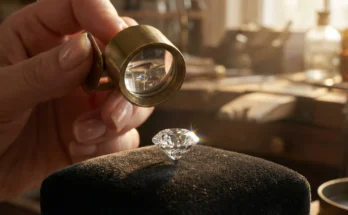
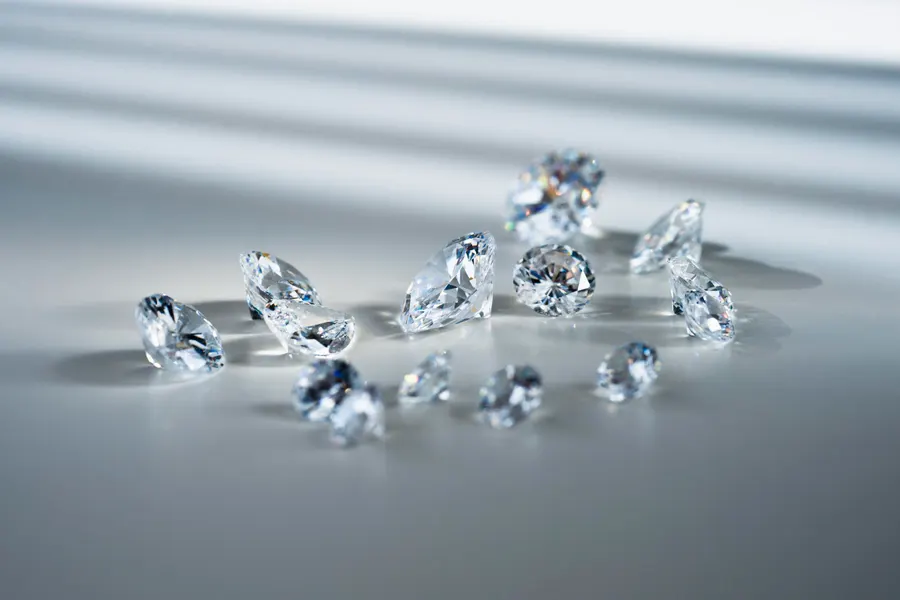
Lab grown diamonds are becoming a popular choice for modern jewellery buyers who want beautiful, genuine diamonds with more flexibility in design and budget. From elegant engagement rings to personalised fine jewellery, these diamonds offer the brilliance and durability associated with traditional diamonds while being created through advanced laboratory technology. Known as brillantes de laboratorio in Spanish, lab grown diamonds have opened new possibilities for people looking for stylish and meaningful jewellery.
When choosing a diamond, we should consider more than its size or price. Cut, colour, clarity, carat weight, setting, and after-sales support all contribute to the overall value of a piece. For buyers in Singapore, the opportunity to compare diamonds in person can make the shopping experience more convenient and help them choose a design that suits their preferences.
What Are Lab Grown Diamonds?
Lab grown diamonds are real diamonds created in controlled laboratory environments using specialised technology. They have essentially the same chemical composition, crystal structure, hardness, and optical properties as natural diamonds. The main difference is their origin: natural diamonds form through geological processes beneath the Earth’s surface, while lab grown diamonds are produced using methods that recreate the conditions required for diamond formation.
Two common production methods are High Pressure High Temperature (HPHT) and Chemical Vapour Deposition (CVD). Both methods can produce diamonds suitable for fine jewellery, including engagement rings, earrings, necklaces, and bracelets.
Unlike diamond simulants such as cubic zirconia, lab grown diamonds are made of diamond material. They can display the same characteristic sparkle, fire, and brilliance as natural diamonds, depending on their individual quality and cutting.
For modern jewellery buyers, lab grown diamonds offer another option when comparing gemstone quality, appearance, and price. Understanding how these diamonds are produced and graded helps us make informed decisions when selecting jewellery for everyday wear or special occasions.
Understanding Brillantes de Laboratorio
The term brillantes de laboratorio is commonly used in Spanish-language discussions of laboratory-created diamonds. However, the word brillante can also refer to a brilliant-style diamond cut, particularly the round brilliant cut. Understanding this distinction helps buyers compare jewellery descriptions accurately.
Brilliant-cut diamonds are designed to reflect light through carefully arranged facets. When the proportions and cutting are well executed, the diamond can produce impressive sparkle and brightness.
Lab grown diamonds are available in various shapes, including round, oval, princess, pear, emerald, cushion, and radiant cuts. Each shape creates a different appearance and can influence how the finished ring looks on the hand.
Round brilliant diamonds remain a popular choice for engagement rings because of their classic appearance and light performance. Oval diamonds offer an elongated outline, while emerald cuts feature step-like facets that create a more understated, reflective look.
When comparing brillantes de laboratorio, we should examine the actual diamond specifications rather than relying on terminology alone. Shape, cut quality, measurements, colour, and clarity all help determine whether a particular stone meets our expectations.
How Are Lab Grown Diamonds Created?
Modern laboratory technology allows diamond crystals to grow under carefully controlled conditions. The two principal methods, HPHT and CVD, use different techniques to produce genuine diamond material.
High Pressure High Temperature Method
The HPHT method recreates aspects of the pressure and temperature conditions associated with diamond formation. Carbon is exposed to extremely high pressure and temperature inside specialised equipment, allowing diamond crystals to develop.
Once the rough diamond has grown, it can be cut and polished into a gemstone for jewellery. Its final appearance depends on factors such as growth conditions, processing, cutting, and any applicable treatments.
Chemical Vapour Deposition Method
Chemical Vapour Deposition uses a controlled chamber containing carbon-bearing gas. Energy separates the gas molecules, allowing carbon atoms to deposit onto a diamond substrate and gradually form additional diamond material.
The resulting diamond can then be processed, cut, and polished for use in fine jewellery. As with HPHT diamonds, the final quality varies between individual stones.
Neither production method automatically guarantees a better diamond. We should evaluate the finished gemstone, its grading information, and its visual appearance before making a purchase.
The Four Cs of Lab Grown Diamonds
The Four Cs—cut, colour, clarity, and carat weight—provide a useful framework for comparing lab grown diamonds. Understanding these characteristics helps us select a gemstone that balances appearance, quality, and budget.
Cut: The Secret Behind Diamond Sparkle
Cut quality influences how effectively a diamond reflects and returns light. A well-cut diamond can appear bright and lively, while poorly proportioned cutting may reduce its visual appeal.
The cut involves proportions, symmetry, and polish. Even diamonds with similar carat weights can look different because their proportions and facet arrangements vary.
When selecting an engagement ring, we should pay close attention to cut quality instead of focusing only on the size of the centre stone. A well-balanced diamond can provide an attractive combination of sparkle and visual presence.
Colour: Choosing the Right Diamond Appearance
Diamond colour is commonly graded on a scale ranging from D, which represents colourless, to Z, which indicates increasing colour. Differences between grades may be subtle, particularly when stones are viewed individually.
The choice of colour can depend on the ring’s metal and the wearer’s preferences. Platinum and white gold create a bright, neutral appearance, while yellow gold can provide a warm contrast.
Comparing several diamonds under similar lighting conditions helps us understand these differences and choose a stone that complements the intended design.
Clarity: Understanding Diamond Characteristics
Clarity describes internal features called inclusions and external features known as blemishes. These characteristics can develop during diamond growth or subsequent processing.
Higher clarity grades generally indicate fewer or less noticeable characteristics. However, some diamonds with lower clarity grades can still appear clean to the unaided eye.
When choosing lab grown diamonds, we should consider the visibility and location of inclusions rather than assuming that only the highest clarity grade is suitable for jewellery.
Carat Weight: Balancing Size and Quality
Carat measures a diamond’s weight, not its exact visible size. The face-up appearance of a diamond also depends on its shape, depth, and proportions.
For example, an oval diamond may look larger from above than a round diamond of the same carat weight. The design of the ring setting can also influence the overall appearance.
A practical approach is to compare carat weight alongside measurements, cut quality, and the complete ring design. This helps us choose a diamond that looks attractive while remaining within our budget.
Why Choose Lab Grown Diamonds for Engagement Rings?
An engagement ring represents an important personal commitment, so selecting the right diamond requires careful consideration. Buyers often look for a combination of beauty, durability, design flexibility, and affordability.
Lab grown diamonds provide an additional choice for people who want genuine diamond jewellery. Depending on the available selection and budget, buyers may be able to explore different carat weights, shapes, and quality combinations.
These diamonds are also suitable for many engagement ring designs. A solitaire setting creates a timeless appearance, while halo settings add surrounding stones for extra visual impact. Three-stone rings offer another option for couples who want a distinctive design.
Durability is an important consideration for everyday wear. Diamond ranks 10 on the Mohs hardness scale, making it highly resistant to scratching. However, diamonds can still chip under certain impacts, and the setting needs regular inspection to ensure that the stone remains secure.
By comparing different designs and diamond specifications, we can find an engagement ring that reflects personal style and provides lasting enjoyment.
Lab Grown Diamonds vs. Natural Diamonds
Lab grown diamonds and natural diamonds share the same fundamental material properties, but they differ in origin and market characteristics.
Natural diamonds form through geological processes over long periods, while lab grown diamonds are created using specialised technology. Both can be cut and polished into beautiful gemstones for fine jewellery.
Price is another important difference. Lab grown diamonds are generally less expensive than comparable natural diamonds, although prices vary according to quality, size, market conditions, and retailer pricing.
Buyers should also understand that neither type of diamond guarantees a financial return. Lab grown diamond prices have changed as production technology and market supply have developed, and natural diamonds can also sell for substantially less than their original retail prices.
For most jewellery purchases, the best choice depends on personal priorities. We should compare the individual stones, consider the intended use, and choose a diamond that meets our expectations for appearance and budget.
Buying Lab Grown Diamonds in Singapore
Singapore offers jewellery buyers a variety of options for exploring diamond engagement rings and fine jewellery. However, the shopping experience can differ between retailers, particularly when it comes to physical stock, in-person comparisons, and after-sales services.
Online listings can provide a convenient starting point, but photographs do not always reveal every detail of a diamond’s appearance. Viewing several stones together can help buyers compare their proportions, sparkle, and colour more accurately.
Novita Diamonds Singapore states that it has more than 400 lab grown diamonds physically in stock for in-person viewing and instant purchase. This collection allows customers to compare available diamonds during a showroom appointment before choosing a suitable stone.
The retailer also offers ring settings crafted from genuine 18-carat gold or platinum. These materials provide different aesthetic options, allowing buyers to select a setting that complements the diamond and their preferred jewellery style.
For a productive showroom visit, we recommend preparing a budget and considering the preferred diamond shape, carat weight, colour, and clarity. Asking about grading reports, setting options, warranty coverage, and return conditions can also help clarify the purchasing decision.
The Benefits of Viewing Diamonds in Person
Viewing lab grown diamonds in person can make a meaningful difference when selecting an engagement ring. Although online photographs are useful for comparing products, lighting and camera settings may influence how a diamond appears on a screen.
A showroom visit allows buyers to examine the stone from different angles and compare several diamonds under similar conditions. This can be especially useful when choosing between diamonds with similar grading specifications.
We can also see how the diamond works with different ring settings. The metal colour, band thickness, prong design, and overall proportions all contribute to the appearance of the finished ring.
Novita Diamonds Singapore offers showroom appointments for customers who want to explore its available collection. Checking appointment availability and confirming which diamonds can be viewed before visiting can help make the experience more efficient.
For buyers who value direct comparison, this approach provides an opportunity to make a more informed decision before purchasing an important piece of jewellery.
Choosing the Right Ring Setting: Gold or Platinum
The setting influences the appearance, comfort, and security of a diamond ring. Selecting the right metal helps complement the gemstone while ensuring that the jewellery suits the wearer’s lifestyle.
18-Carat Gold Settings
18-carat gold contains 75% pure gold, with the remaining metals contributing to its colour and physical properties. It is available in yellow, white, and rose gold.
Yellow gold offers a warm, classic appearance, while white gold creates a contemporary look that complements many diamond shapes. Rose gold provides a softer colour that works well with romantic and vintage-inspired designs.
Platinum Settings
Platinum is valued for its naturally white appearance and use in fine jewellery. It is a popular option for buyers who prefer a substantial setting with a neutral colour.
Both gold and platinum require appropriate care. The best choice depends on personal style, budget, comfort, and the design of the finished ring.
Novita Diamonds Singapore states that its ring settings are crafted from real 18-carat gold or platinum. Buyers can explore these options to find a setting that suits their selected diamond.
Custom Jewellery and Si Dian Jin-Inspired Designs
Modern fine jewellery can combine contemporary diamond designs with traditional cultural influences. This allows buyers to select pieces that reflect personal identity, family customs, and meaningful celebrations.
Novita Diamonds Singapore also offers customised Si Dian Jin-inspired sets. Si Dian Jin is associated with Chinese wedding traditions and commonly involves a set of gold jewellery presented as part of marriage customs.
Contemporary interpretations can incorporate modern shapes, personalised details, and diamond accents while retaining the traditional inspiration behind the design.
When planning custom jewellery, we should discuss the preferred style, metal, stone placement, dimensions, and production timeline. Clear communication helps ensure that the finished piece reflects the intended design and can be worn comfortably.
Warranty, Returns, and After-Sales Care
After-sales support is an important consideration when buying lab grown diamonds. A clear warranty and return policy can help buyers understand the assistance available after their purchase.
Novita Diamonds Singapore advertises a global lifetime warranty for its rings and an Easy 30-Day Returns policy. Its published information describes returns for a refund or exchange within 30 days, subject to the applicable conditions.
Before purchasing jewellery, we should review the current terms carefully. Warranty coverage may have exclusions, and return eligibility can depend on the condition of the item and other requirements.
Novita Diamonds Singapore also advertises a free jewellery cleaning service through a booked 15-minute appointment. Regular cleaning can help maintain the appearance of a diamond ring, while professional inspections can identify loose settings or worn components.
Understanding these services before making a purchase allows us to plan for the ongoing care of our jewellery.
How to Care for Lab Grown Diamond Jewellery
Lab grown diamonds have the same basic durability characteristics as natural diamonds, so their care requirements are broadly similar. Regular maintenance helps preserve the appearance of the stone and protect the setting.
For routine cleaning, mild soap, lukewarm water, and a soft brush may be suitable for many diamond rings. The ring should be rinsed carefully and dried with a soft, clean cloth, provided the setting and any accompanying gemstones are compatible with this method.
Avoid harsh chemicals and abrasive cleaners that could affect the metal or damage other components. It is also sensible to remove rings during activities that expose them to hard impacts, heavy pressure, or cleaning products.
Professional inspections can help identify loose prongs or other setting problems before the diamond becomes insecure. Storing jewellery separately can also reduce scratches caused by contact with other pieces.
With sensible care and occasional professional maintenance, lab grown diamond jewellery can retain its beauty for many years.
Are Lab Grown Diamonds an Environmentally Responsible Choice?
Environmental impact is an important consideration for some jewellery buyers. Lab grown diamonds are produced without extracting the diamond itself through conventional mining, but their overall environmental footprint depends on the manufacturing process.
Laboratory production requires energy, and the environmental impact can vary according to the energy source, production technology, and efficiency of the facility. Natural diamond mining also has environmental and social impacts that vary by location and operating practices.
For this reason, we should avoid assuming that every lab grown diamond automatically has a lower environmental impact than every mined diamond.
Buyers who prioritise sustainability can ask retailers about manufacturing information, supply-chain transparency, and independently verified environmental claims. Reliable documentation provides a stronger basis for comparison than broad marketing statements.
Considering these factors alongside quality, price, and design allows us to make a decision that better reflects our individual priorities.
Common Mistakes to Avoid When Buying Lab Grown Diamonds
Choosing the right diamond becomes easier when we understand which details deserve the most attention.
- Focusing only on carat weight: Cut quality, measurements, and overall proportions also influence the diamond’s appearance.
- Comparing prices without checking specifications: Differences in cut, colour, clarity, and grading documentation can affect the value of individual stones.
- Relying entirely on online photographs: In-person viewing can reveal visual differences that are difficult to assess on a screen.
- Overlooking the ring setting: The metal, band design, and prong security influence comfort, appearance, and durability.
- Ignoring grading documentation: Buyers should check the available grading report and confirm that its details correspond to the selected diamond.
- Failing to review return and warranty terms: Understanding the retailer’s policies before payment helps prevent misunderstandings later.
By avoiding these mistakes, we can compare available options more carefully and choose jewellery that suits our expectations.
Frequently Asked Questions About Lab Grown Diamonds
Are lab grown diamonds real diamonds?
Yes. Lab grown diamonds have the same fundamental chemical composition and crystal structure as natural diamonds. Their main difference is their origin, and specialised gemological testing can identify whether a diamond was laboratory-grown or naturally formed.
Are brillantes de laboratorio suitable for engagement rings?
Yes. Lab grown diamonds can be used in engagement rings, wedding jewellery, earrings, and other fine jewellery. Their durability makes them suitable for regular wear, provided the setting is secure and the jewellery receives appropriate care.
Can we view lab grown diamonds in Singapore?
Novita Diamonds Singapore states that it holds more than 400 lab grown diamonds physically in stock for in-person viewing and purchase. Customers can arrange a showroom appointment to compare available stones and explore ring settings.
Do lab grown diamonds come with a lifetime warranty?
Warranty coverage depends on the retailer and the item purchased. Novita Diamonds Singapore advertises a global lifetime warranty for its rings. Buyers should review the current written terms to understand the coverage and any exclusions.
Can lab grown diamonds be returned?
Return policies vary between retailers. Novita Diamonds Singapore advertises an Easy 30-Day Returns policy, subject to its applicable conditions. Checking the latest policy before purchasing helps clarify the requirements for a refund or exchange.
Are lab grown diamonds cheaper than natural diamonds?
Lab grown diamonds are generally less expensive than comparable natural diamonds, although prices depend on quality, specifications, and market conditions. Comparing individual stones helps buyers understand the options available within their budget.
Conclusion: Choosing the Best Lab Grown Diamonds for Modern Jewellery
Lab grown diamonds offer modern jewellery buyers a way to enjoy genuine diamonds while exploring different shapes, sizes, designs, and price points. From understanding the Four Cs to selecting a suitable setting, each step helps us make a more informed decision.
Whether we search for lab grown diamonds or brillantes de laboratorio, the most important considerations are the quality of the individual stone, its grading documentation, and how well the finished jewellery suits our preferences. Comparing diamonds in person can be especially useful when choosing between similar stones or deciding which design looks best.
For buyers in Singapore, Novita Diamonds offers more than 400 lab grown diamonds for in-person viewing, ring settings in 18-carat gold and platinum, customised Si Dian Jin-inspired jewellery, and advertised after-sales benefits that include a global lifetime warranty and an Easy 30-Day Returns policy, subject to the relevant terms.
By comparing diamond specifications, reviewing retailer policies, and considering long-term care, we can choose jewellery with greater confidence. The right lab grown diamond is one that combines quality, beauty, and personal meaning in a design that can be enjoyed for years to come.