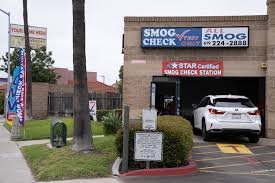
I remember the first time I got a smog renewal notice in California. I was fresh out of college, driving a beat-up sedan that leaked more oil than a deep fryer. The envelope from the DMV felt like a summons to court. I spent three days worrying if my car would even pass. Since then, I’ve spent over a decade helping people navigate the California Bureau of Automotive Repair (BAR) requirements. I have seen the “Check Engine” light become a source of true anxiety for thousands of drivers.
Finding a reliable smog check location shouldn’t feel like a gamble. In San Diego, the sheer number of shops can be overwhelming. You see them on every corner from Chula Vista to Escondido. Some look like high-tech labs. Others look like a shed in someone’s backyard. I’ve visited both types, and I can tell you that the fancy building doesn’t always mean a better experience.
Understanding the Different Types of Smog Stations
Not all stations are created equal. This is the first mistake I see people make. They pull into the first shop they see, only to be told the station can’t perform the specific test their car needs. California uses a tiered system. You need to know what your DMV notice asks for before you turn the key.
If your notice says “STAR Station Required,” you cannot go to a regular shop. STAR stations meet higher performance standards set by the BAR. Some are “Test Only,” meaning they don’t do repairs. This is actually a good thing for you. A test-only station has no incentive to “find” a problem just to sell you a repair.
Comparison of Station Types
| Station Type | Can Test | Can Repair | Best For |
| STAR Test-Only | All Vehicles | No | DMV-mandated STAR directed vehicles. |
| STAR Test-and-Repair | All Vehicles | Yes | Convenience if you expect to fail. |
| Regular Smog Station | Non-STAR Vehicles | No | Basic renewals for newer cars. |
| Repair-Only Shops | No | Yes | Fixing a car that already failed elsewhere. |
I always recommend the STAR Test-Only route for older cars. When I took my old truck in, I wanted an unbiased opinion. If the guy testing it doesn’t make money from fixing it, I trust his “fail” grade a lot more. It keeps the process honest.
Why San Diego Drivers Face Unique Challenges
Driving in San Diego isn’t like driving in Fresno. We have the marine layer, the salt air near the coast, and the stop-and-go traffic on the 8 and the 805. These factors actually impact your car’s emissions system more than you might think.
I’ve noticed that cars parked near the beach in Pacific Beach or La Jolla often have more corrosion on their exhaust sensors. Salt air is brutal on metal. If your oxygen sensor is crusty, it might send the wrong signal to your car’s computer. This results in a “Not Ready” status or a flat-out failure.
Local Factors Affecting Your Smog Results
| Factor | Impact on Car | Potential Smog Issue |
| Coastal Salt Air | Corrodes electrical connectors. | Sensor failure / Check engine light. |
| I-5 Traffic | Heavy idling and soot buildup. | Failed EGR valve or Catalytic Converter. |
| Inland Heat (El Cajon) | Overheats cooling systems. | High NOx (Nitrogen Oxide) emissions. |
| Short Commutes | Engine never reaches full temp. | “Monitor Not Ready” status. |
If you live in a hilly area like North Park or Clairemont, your engine works harder. This is why I tell my friends to drive their car on the highway for at least 20 minutes before pulling into a smog check location. You need that catalytic converter to be scorching hot to do its job effectively.
Scoring a San Diego Smog Check Discount
Let’s talk about money. A smog check in San Diego can range from $30 to $90 depending on the shop and the vehicle. If you have a heavy-duty truck or a motorhome, expect to pay more. But you should never pay the “walk-in” price.
I never go to a shop without a coupon. Most shops in San Diego offer a smog check discount if you just ask or look at their website. The competition here is fierce. Shops would rather take $20 less from you than see you drive across the street to their competitor.
Typical Pricing in San Diego (Estimated)
| Service | Average Price | Price with Discount |
| Standard Smog (2000+ Vehicles) | $50.00 | $39.95 |
| STAR Certified Test | $60.00 | $45.00 |
| Older Vehicle (Pre-2000) | $80.00 | $65.00 |
| Certificate Fee (State) | $8.25 | $8.25 (Fixed) |
One thing I’ve learned is that the “Certificate Fee” is almost never included in the advertised price. The state of California charges $8.25 for that digital certificate. If a sign says “$29.95 Smog,” expect to pay about $40 to $50 total once you add the certificate and the “EVAP” or “Transfer” fees.
Preparing Your Car for the Big Day
You don’t just show up and hope for the best. That is how you waste money. I treat smog day like a doctor’s appointment. I do a pre-check myself. First, I make sure the “Check Engine” light isn’t on. If that light is glowing, you have already failed. Don’t even bother pulling into the lot.
Second, check your battery. If you recently jumped your car or replaced the battery, your car’s computer memory was wiped. It needs to “relearn” your driving habits. This takes about 50 to 100 miles of mixed driving. I’ve seen people fail simply because they replaced their battery the morning of the test. The technician will tell you your “monitors are not ready.” You’ll have to come back later.
Pre-Smog Checklist
- Warm it up: Drive for 20 minutes at highway speeds.
- Check Fluids: Ensure your oil and coolant levels are correct.
- The Gas Cap: Make sure it’s tight. A loose cap is an instant fail in some years.
- Fresh Oil: Old, dirty oil can contain high levels of hydrocarbons.
- Tire Pressure: The technician might need to drive the car on a dynamometer (for older cars). Even tire pressure helps.
The “Gross Polluter” Label and How to Avoid It
If your car fails by a large margin, you might be labeled a “Gross Polluter.” This sounds like you’re driving a coal plant, but it’s just a technical term. It means your emissions are significantly higher than the allowable limit.
Once you get this label, your options narrow. You will likely be required to go to a STAR station for all future tests. I had a client once who panicked because his 1995 SUV got this label. We found out it was just a cracked vacuum hose that cost $5 to fix. Don’t let the name scare you, but do take it seriously.
Common Reasons for Failure
| Symptom | Likely Culprit | Repair Difficulty |
| High CO (Carbon Monoxide) | Rich fuel mixture / Leaky injector. | Medium |
| High HC (Hydrocarbons) | Misfiring spark plugs / Ignition issues. | Easy |
| High NOx (Nitrogen Oxides) | Lean mixture / Bad EGR valve. | Hard |
| Visual Fail | Modified air intake / Missing cat. | Varies |
If you are looking for a [San Diego smog check], make sure you choose a place that explains these numbers to you. A good technician will show you the printout and explain why your “HC” is high. If they just say “You failed, pay me,” find a different shop next time.
What to Do if You Fail
Failing is not the end of the road. I have been there. It’s frustrating, especially when you need that registration sticker to avoid a ticket. The first thing you should do is look into the Consumer Assistance Program (CAP).
California offers up to $1,200 for emissions-related repairs if you meet certain income requirements. Even if you don’t meet the income bracket, you might be eligible for a “Repair Cost Waiver.” This allows you to register your car for one year even if it hasn’t passed, provided you’ve spent a certain amount trying to fix it.
Consumer Assistance Program (CAP) Overview
| Feature | Low-Income Eligibility | General Eligibility |
| Repair Assistance | Up to $1,200 | Not typically available. |
| Vehicle Retirement | Get $1,500 to scrap the car. | Get $1,000 to scrap the car. |
| Requirements | Must fail a smog check first. | Must fail a smog check first. |
I once helped an elderly neighbor use the CAP program. Her old Buick failed miserably. The repair was going to be $900 for a new catalytic converter. Because of her income level, the state covered the entire bill. It kept her on the road and kept the air in San Diego a little bit cleaner.
Choosing a Station Near Your Neighborhood
San Diego is a collection of villages. Where you go matters. I’ve found that shops in Miramar or Kearny Mesa are often faster because they cater to people on their lunch breaks. They have multiple bays and get you in and out in 15 minutes.
If you go to a small shop in a residential area like North Park, you might have to wait an hour. However, those small shops sometimes have the best smog check discount deals. I usually check online reviews specifically for “wait times.”
San Diego Neighborhood Smog Guide
- Miramar: High volume, very fast, very professional.
- Kearny Mesa: Great for STAR stations and specialty vehicles.
- Chula Vista: Often has the most competitive pricing.
- El Cajon: Good for older trucks and heavy-duty vehicles.
I personally prefer the Miramar area. There are so many shops clustered together that they have to be good to survive. If one shop has a long line, I just drive two blocks down to the next one. It’s the “Automotive Row” of San Diego.
My Final Advice for a Stress-Free Smog Day
I always tell people that the smog check is a maintenance checkup in disguise. If your car fails, it’s usually because it’s burning too much gas or has a mechanical issue that would eventually leave you stranded on the I-5.
Don’t wait until the last day of the month. I made that mistake once. My registration was due on the 31st, and I went for my smog on the 30th. I failed for a “Ready” monitor. I had to pay the DMV fees anyway to avoid a late penalty, and then I spent the next week driving around in circles to get the computer to reset.
Go at least two weeks early. This gives you a buffer. If you fail, you have time to look for a smog check discount on repairs or apply for the CAP program.
Quick Summary for San Diego Drivers
- Check the Notice: Do you need a STAR station?
- Drive it: Get the engine hot before the test.
- Find a Coupon: Never pay full price in San Diego.
- Don’t Panic: Failures happen, and there are programs to help you pay for repairs.
California has some of the strictest air quality laws in the world. While it can be a headache for us as drivers, I’ve seen the difference it makes. I remember the smog “alerts” we used to have years ago. Today, the air in San Diego is much clearer. We all play a small part in that by keeping our cars running right. Just do your homework, prepare your vehicle, and you’ll fly through the process.